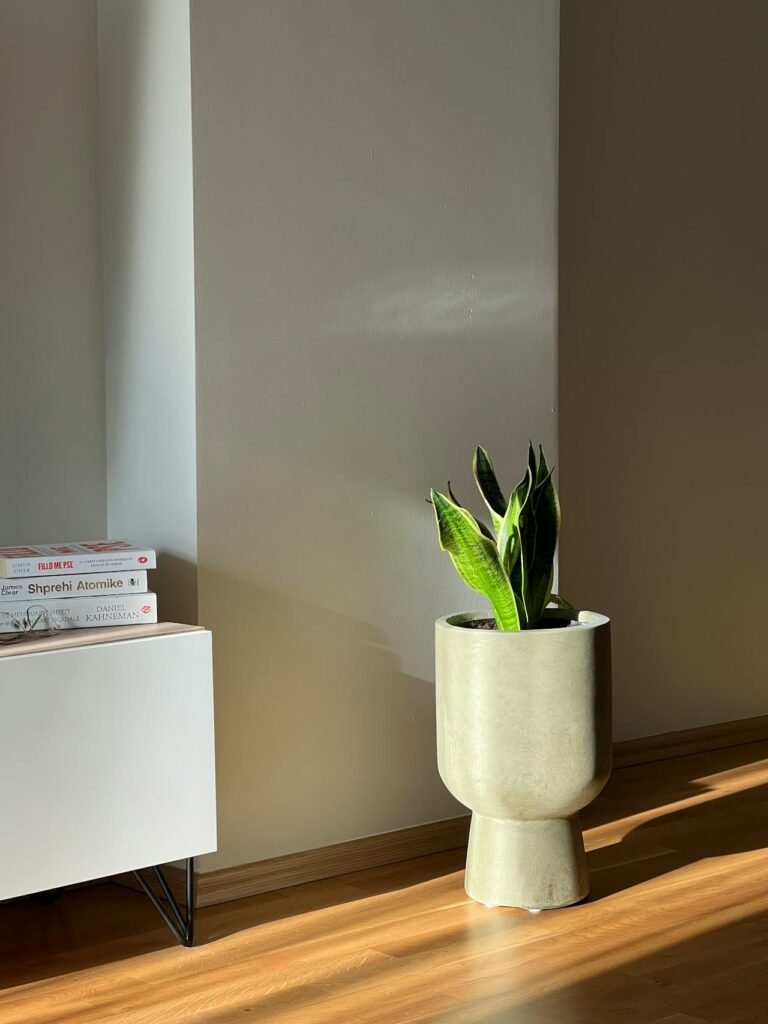
Snake plants, also known as Dracaena trifasciata (formerly Sansevieria), are among the easiest houseplants to care for. With their tall, upright leaves and striking patterns, they add a modern touch to any room — and they’re famously low-maintenance. Whether you’re a beginner or just want a plant that thrives with minimal effort, here’s how to keep your snake plant healthy and happy.
1. Give It the Right Light
Snake plants are incredibly adaptable. They can tolerate low light, but they grow best in bright, indirect light. Avoid placing them in harsh direct sunlight for long periods, as it can scorch the leaves. If your space doesn’t get much natural light, don’t worry — snake plants can still survive, just at a slower growth rate.
2. Don’t Overwater
Overwatering is the most common mistake. Snake plants prefer dry soil. Water only when the soil is completely dry — usually every 2 to 3 weeks, depending on your climate. In cooler months, you may water even less frequently.
When watering, soak the soil thoroughly and allow excess water to drain out. Never let the pot sit in standing water, as this can cause root rot.
3. Use Well-Draining Soil
Choose a cactus or succulent potting mix that drains quickly. Snake plants dislike soggy soil. A pot with drainage holes is essential to prevent excess moisture from building up at the roots.
4. Keep It in Moderate Temperatures
Snake plants prefer indoor temperatures between 18–29°C (65–85°F). Avoid exposing them to frost or extremely cold drafts. They are hardy but not cold-tolerant.
5. Minimal Fertilizing Needed
These plants don’t need much feeding. During the growing season (spring and summer), you can fertilize lightly once every 1–2 months using a balanced houseplant fertilizer. Skip fertilizing during fall and winter.
6. Clean the Leaves Occasionally
Dust can build up on the leaves, reducing their ability to absorb light. Simply wipe them gently with a damp cloth every few weeks to keep them looking glossy and healthy.
7. Repot Only When Necessary
Snake plants grow slowly and prefer being slightly root-bound. Repot only when roots begin to outgrow the container, usually every 2–3 years. When repotting, choose a pot only slightly larger than the previous one.
Snake plants are known for improving indoor air quality and releasing oxygen at night, making them a popular choice for bedrooms. They’re also pet-resistant in many cases, though it’s best to keep them out of reach of curious pets as the leaves can be mildly toxic if ingested.
With minimal effort and the right balance of light and water, your snake plant can thrive for years. It’s the perfect plant for busy lifestyles — stylish, durable, and forgiving.