For many women, the day often begins before sunrise and ends long after work hours.
Across many Asia-Pacific households, including the Philippines, women play many roles at once — professionals at work, decision-makers at home and often the emotional centre of their families. These layered responsibilities tend to translate into rushed meals, compromised sleep and increased stress, leading to health and wellness to take a backseat.
This can be especially challenging for Filipino women, with research on unpaid care work in the country showing they may spend up to 11 hours a day on domestic and caregiving responsibilities, which can make maintaining personal wellbeing more difficult.
In line with this year’s observance of International Women’s Day, Vipada Sae-Lao, Nutrition Education and Training Lead for Asia Pacific at Herbalife, stressed the importance of women prioritising their health as part of sustaining families, workplaces and communities across the region.
“Working across the diverse cultures in the Asia-Pacific region, I see one truth repeatedly: when women invest in their own health, their families, workplaces, and future generations gain too,” said Vipada.
“This year’s #GiveToGain theme points to a simple reality that caring for your health is one of the most effective ways to sustain the energy and resilience needed to support both work and family.”
Giving to Your Body: The Role of Nutrition and Hydration
Women across the region also face a striking nutrition contrast. Reports show a steady rise in adult obesity, even as child stunting and anaemia remain widespread among women of reproductive age. This dual burden affects everything from maternal and child health to daily energy and resilience, reinforcing the urgency for women to prioritise their health and wellness through well-informed choices every single day.
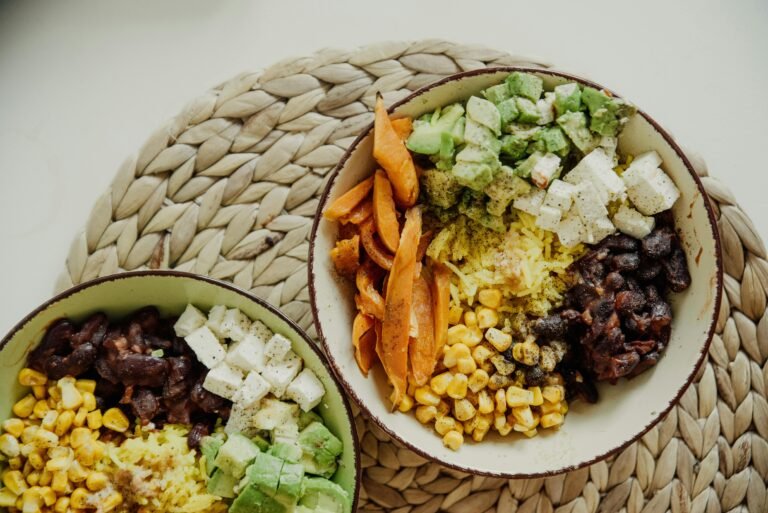
Nutrition is the bedrock of preventive health, supporting energy levels, metabolic stability, immune resilience and healthy ageing across a woman’s lifespan. Studies have shown that micronutrient deficiencies particularly iron, folate and vitamin B12, are common among women of reproductive age across Asia, despite an adequate calorie intake.
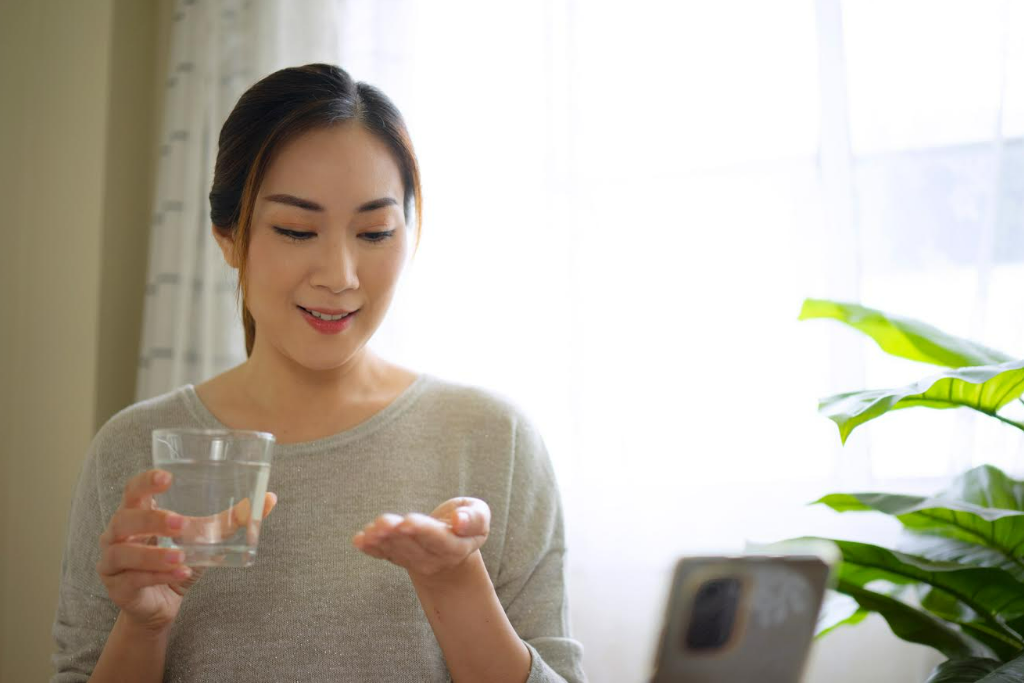
Hydration plays an equally important yet often overlooked role in how the body uses these nutrients and maintains daily function. Making a habit of carrying water and choosing low-sugar beverages helps meet daily fluid needs of about two litres, while mindful caffeine intake ensures hydration supports, rather than undermines, overall health.
Hormonal transitions shape nutritional needs
Across a woman’s life, nutritional needs evolve alongside hormonal changes. For example, during menstruating years, regular iron loss increases the need for iron-rich foods such as lean meats, lentils, beans, leafy greens and fortified cereals. Pairing these with vitamin C rich fruits and vegetables enhances absorption.
The menopausal transition brings hormonal and metabolic shifts that increase cardiovascular risk. A heart-healthy diet centred on fruits, vegetables, whole grains, and omega-3–rich foods such as fatty fish, flaxseeds, walnuts and soybeans supports healthy cholesterol and triglyceride levels. Soluble fibre from beans, oats, apples and barley further aids cholesterol control and satiety, supporting weight management.
From the 40s onward, declining estrogen can accelerate sarcopenia, the age-related loss of muscle strength. Getting enough physical activity, including regular resistance training, adequate protein intake from lean meats, fish, legumes, dairy and plant-based sources such as tofu, nuts and seeds is essential for preserving muscle and functional strength.
Supplementation can help address dietary gaps but should be tailored to individual needs and guided by a qualified health professional.
Interplay between stress, sleep and weight management
Good sleep, regular movement, and stress management are deeply interconnected, playing a powerful role in healthy weight regulation and skin vitality. Practised consistently, these habits support hormonal balance, metabolic stability and the body’s natural repair processes.
Around 150 minutes of moderate activity per week, combination with resistance training, improves cardiovascular health, preserves muscle and bone density and promotes deeper, more restorative sleep, which is particularly important after menopause. Consistent sleep routines and reduced screen exposure further reinforce metabolic health, making sleep hygiene the cornerstone to healthy ageing and sustainable weight management.
Nutrition also influences mental wellbeing by bettering stress response, sleep quality and regulating mood. Diets rich in omega-3 fats, consistent meal timings and adequate hydration, while limiting stimulants, help support emotional balance in women facing chronic daily pressures.
Research also shows that women fare better emotionally when supported by strong social networks, which enhance coping, reduce stress and improve wellbeing. When women are healthier, families thrive, communities strengthen, workplaces perform better and economies grow more resilient.
For many women in the Philippines, small and consistent health habits can help sustain the energy needed for both daily responsibilities and long-term wellbeing.
In a nutshell, long term wellbeing is shaped by the everyday choices made long before any worrying symptoms appear. Giving to yourself through consistent nourishment and preventive care is not about doing more, but about making everyday choices that support lasting health.