In classrooms across several public high schools in Nasugbu, Batangas, students are spending less time listening to lectures and more time working quietly through handwritten exercises — analyzing ideas, correcting their mistakes, and solving problems step by step.
School leaders say the shift is beginning to pay off. Barely a year of piloting the Central Visayan Institute Foundation–Dynamic Learning Program (CVIF-DLP), five schools under the Department of Education’s Nasugbu West Sub-Office report early but measurable gains in reading proficiency, numeracy, and overall academic performance.
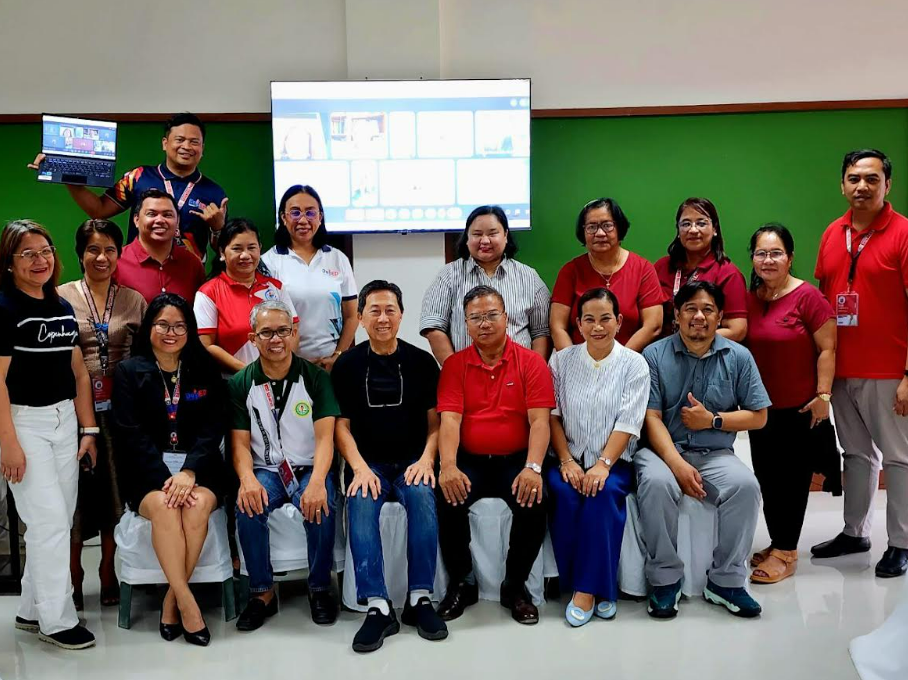
Nasugbu National High School, Balaytigue National High School, Bunducan National High School, Dr. Crisogono B. Ermita Sr. Memorial National High School, and Pantalan Senior High School began implementing the program in June 2025 through a collaboration involving Asian Institute of Management Alumni Association 2024-2025 President Bobby Benares and his wife, Judy, PLDT and Smart, AIM–International Movement of Development Managers, ABC Stars Inc., and DepEd Nasugbu West.
“Programs like CVIF-DLP show that meaningful learning gains are possible when students are empowered to take an active role in their education,” said Benares. “By supporting initiatives that build independence, discipline, and resilience among learners, we are helping schools create classrooms that are better prepared for the challenges of today and tomorrow.”
As the Department of Education prepares to expand the CVIF-DLP to hundreds of schools nationwide, educators say the experience in Nasugbu suggests the approach can strengthen reading, numeracy, and independent learning habits even in resource-constrained environments.
The Dynamic Learning Program, pioneered by Ramon Magsaysay Awardees Dr. Christopher Bernido and the late Dr. Marivic Carpio-Bernido, centers on a “learning by doing” approach that encourages students to work independently through structured Learning Activity Sheets (LAS). The system minimizes lectures and instead guides learners through step-by-step tasks designed to strengthen comprehension and mastery.
Reading, numeracy, and academic gains
Balaytigue National High School students recorded consistent gains in their mean percentage scores across subjects from the first to the third quarter. School leaders also reported notable improvements in Filipino reading proficiency, including a significant decline in the number of students classified at the “frustration” reading level.
Science and mathematics scores also improved steadily over the same period, suggesting stronger conceptual understanding among learners.
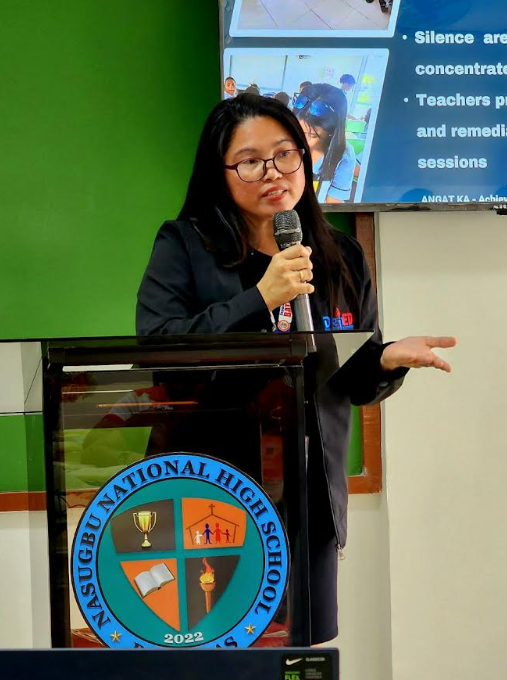
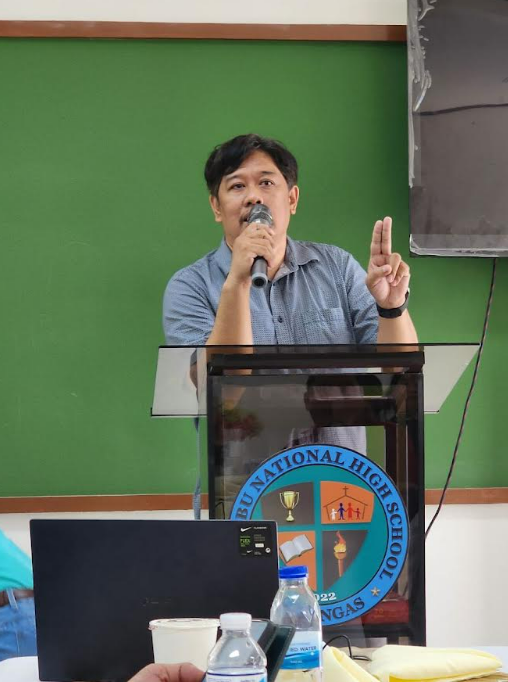
“By working through the Learning Activity Sheets step by step, students engage more deeply with the material,” said Dr. Joel B. Abreu, school head of Balaytigue National High School. “We are seeing learners take greater ownership of their learning, and that is reflected in their improving performance across subjects.”
At Bunducan National High School, teachers observed similar trends. Reading proficiency improved across all levels, with a reduction in non-readers and struggling readers and a rise in average and fast readers.
Numeracy gains were also notable: the school reported that more than half of its students demonstrated numeracy proficiency by the end of second quarter, with non-numerate learners eliminated by the third quarter.
“The program encourages discipline, diligence, and independent learning,” said Dr. Adelia H. Pacia, school head of Bunducan National High School. “Students are learning to think through problems on their own, and that habit is translating into measurable academic gains.”
Building independence among learners
At Nasugbu National High School, the program was implemented by 12 teachers handling 333 students from Grades 7 to 9. Teachers reported that students increasingly completed tasks with minimal supervision while developing stronger writing habits and attention to detail.
The program’s emphasis on reflection and error analysis—where students review and learn from mistakes—has also strengthened retention of key concepts.
“Students are more accountable for their own learning,” said Dr. Rachel I. Bacit, officer-in-charge of Nasugbu National High School. “We see improvements not only in test scores but also in work habits, collaboration, and confidence in the classroom.”
Students at Dr. Crisogono B. Ermita Sr. Memorial National High School have begun to show steady gains in self-paced learning, along with a stronger sense of discipline in working through activity sheets on their own.
“Early observations from our teachers point to gradual improvements in students’ writing and comprehension,” said school principal Dr. Zany R. Gargullo. “More importantly, we are seeing learners develop the discipline and perseverance needed to complete academic tasks independently.”
At Pantalan Senior High School, Grade 11 students recorded an 8.87-point increase in mean percentage scores from the first to the second quarter, while Grade 12 students improved by 7.76 points over the same period.
Teachers also observed improvements in vocabulary, reading comprehension, and the ability to process complex texts. While mathematics results were mixed — with some students struggling to complete tasks independently — school leaders said these findings will guide refinements to the program.
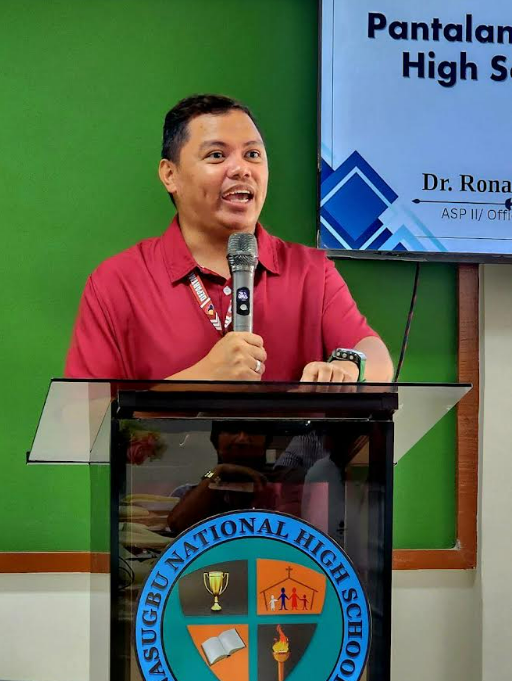
“Piloting the program allows us to identify both the strengths and areas where we need to adapt,” said Dr. Ronald A. Cloma, officer-in-charge of Pantalan Senior High School. “The early results are encouraging, and they give us a clear direction for improving the materials and support systems.”
A program designed for resilience
Originally developed to address challenges such as teacher shortages, limited textbooks, and frequent class suspensions, CVIF-DLP has increasingly been adopted as a resilient learning strategy for public schools.
The Department of Education has begun institutionalizing the program nationwide, with more than 400 schools targeted for implementation in School Year 2026–2027.
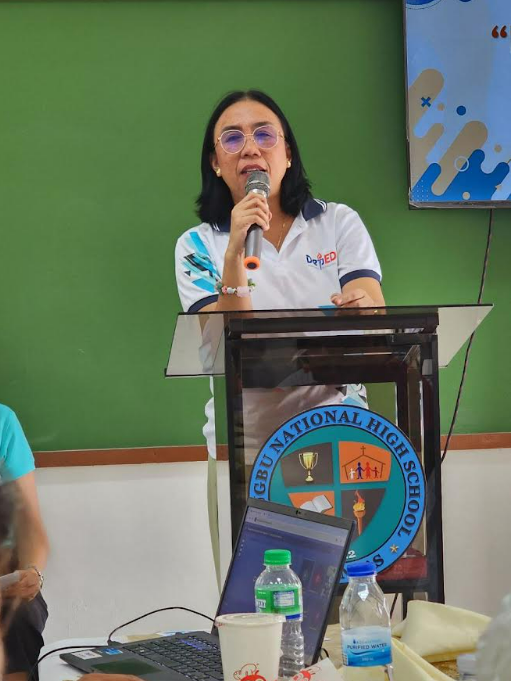
“We are supporting the wider rollout of the CVIF-DLP because it teaches resilience, discipline, and independent thinking,” said Stephanie V. Orlino, AVP and Head of Stakeholder Engagement at PLDT and Smart. “These are essential skills for learners in a rapidly changing world. The program ensures that learning can continue even during disruptions.”
Private sector support
Since 2010, PLDT and Smart have supported the expansion of CVIF-DLP, helping train thousands of teachers and scale the program to more than a thousand schools nationwide.
The Nasugbu pilot, in collaboration with like-minded allies, is part of the PLDT Group’s broader effort to strengthen education continuity, particularly in communities vulnerable to disruptions.
Looking ahead
School leaders in Nasugbu say the pilot program will continue as they refine Learning Activity Sheets, strengthen home-school collaboration, and improve resource management to sustain the approach.
For educators in the district, the early results offer a hopeful signal that the Dynamic Learning Program can help address long-standing learning gaps while building the independent thinking skills students need for the future.
CVIF-DLP aligns with DepEd’s revised K to 10 curriculum and advances the country’s commitment to UN Sustainable Development Goal 4: Quality Education.