Photo by Alesia Kozik: https://www.pexels.com/photo/cooked-food-on-white-ceramic-plate-6065181/
In recent years, more people have become curious about plant-based eating. Some want to improve their health, others want to reduce their environmental impact, and many simply want to explore a different way of enjoying food. The good news is that starting a plant-based diet does not have to be complicated or overwhelming.
Contrary to popular belief, going plant-based does not mean you have to give up everything you love overnight. It is more about gradually adding more fruits, vegetables, whole grains, legumes, nuts, and seeds into your daily meals. Even small changes can make a big difference in your overall health and lifestyle.
If you are thinking about trying a plant-based diet, here are ten simple and practical ways to begin today.
1. Start with One Plant-Based Meal a Day
You do not need to change your entire diet at once. Begin with one plant-based meal each day. Breakfast is often the easiest place to start. Try oatmeal with fruits and nuts, a smoothie with plant milk, or avocado toast. This small step helps you ease into the lifestyle without feeling restricted.
2. Fill Half Your Plate with Vegetables
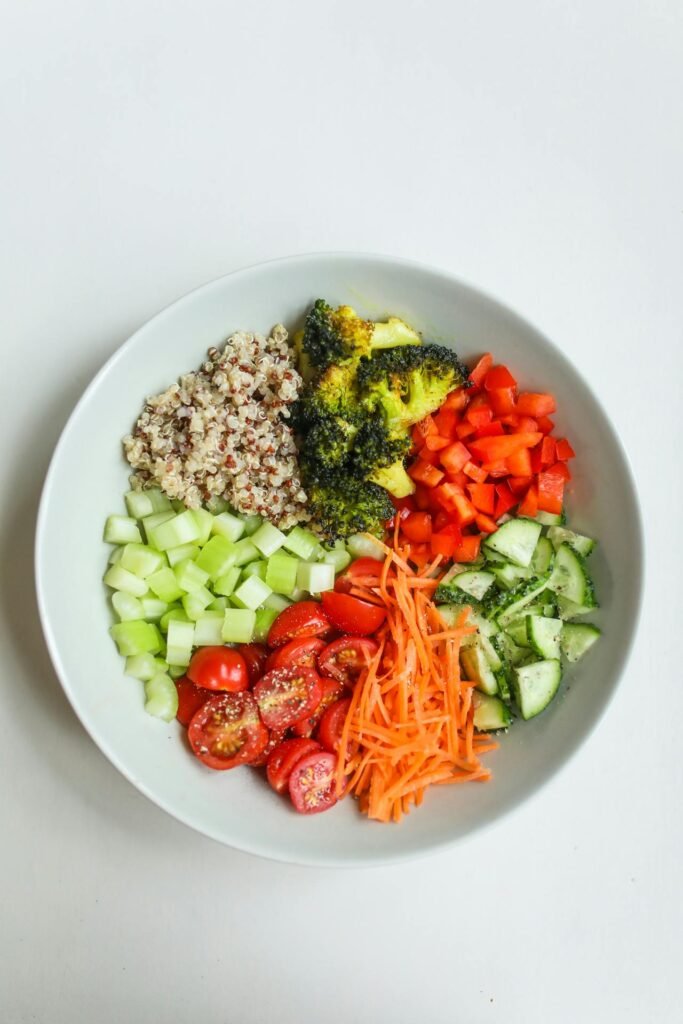
A simple rule many nutrition experts recommend is to fill at least half of your plate with vegetables. Leafy greens, broccoli, carrots, squash, peppers, and other colorful vegetables provide essential vitamins, minerals, and fiber. They also add variety and flavor to your meals.
3. Explore Plant-Based Protein Sources
Many people worry about getting enough protein on a plant-based diet. Fortunately, there are plenty of plant protein options such as beans, lentils, chickpeas, tofu, tempeh, quinoa, nuts, and seeds. These foods are not only nutritious but also very filling.
4. Replace Meat with Plant-Based Alternatives
You can gradually replace meat in your favorite recipes with plant-based alternatives. For example, use lentils instead of ground beef in tacos, chickpeas in salads, or tofu in stir-fries. Many grocery stores now offer plant-based meat substitutes as well.
5. Try New Fruits and Vegetables
Starting a plant-based diet is a great opportunity to explore new foods. Visit your local market and try fruits and vegetables you have never cooked before. Experimenting with different ingredients can make meals more exciting and enjoyable.
6. Cook More Meals at Home
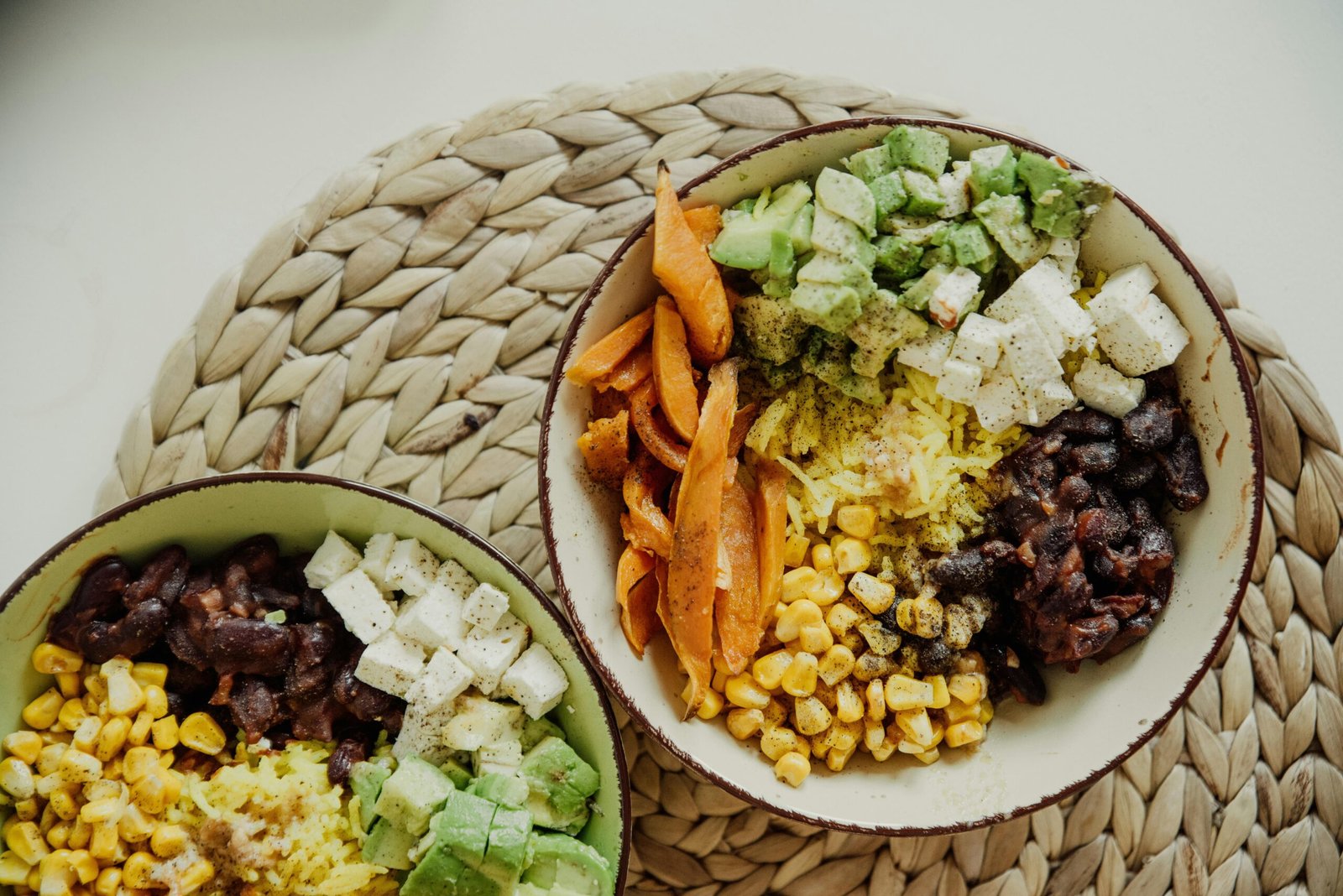
Preparing meals at home allows you to control the ingredients and make healthier choices. Simple plant-based dishes like vegetable stir-fries, bean soups, grain bowls, and fresh salads are easy to prepare and require minimal cooking skills.
7. Stock Your Kitchen with Plant-Based Staples
Having the right ingredients on hand makes plant-based eating easier. Keep staples such as brown rice, oats, quinoa, canned beans, lentils, nuts, seeds, olive oil, and fresh vegetables in your kitchen. With these basics, you can quickly create a nutritious meal.
8. Read Food Labels
Many processed foods contain hidden animal ingredients such as dairy, eggs, or gelatin. Reading food labels can help you make more informed choices. Over time, you will become more familiar with which products fit into a plant-based lifestyle.
9. Discover Plant-Based Recipes
There are thousands of delicious plant-based recipes available online and in cookbooks. From hearty soups to colorful salads and satisfying grain bowls, you will find that plant-based meals can be flavorful, creative, and deeply satisfying.
10. Be Patient with Yourself
Changing your eating habits takes time. Some days will be easier than others, and that is perfectly normal. Focus on progress rather than perfection. Every plant-based meal you eat is a step toward a healthier lifestyle.
Starting a plant-based diet does not require drastic changes or strict rules. It is simply about choosing more whole, plant-based foods and gradually building healthier habits. By taking small, manageable steps, you can enjoy the benefits of a plant-rich diet while still discovering new flavors and meals you love.
Remember, the goal is not perfection but progress. Even simple choices like adding more vegetables to your plate or swapping one meal a day for a plant-based option can lead to meaningful improvements in your health and well-being.